Begin with the destination
The Middle East and Africa contain many distinct markets. A product that works for one city, retailer or customer group may need a different approach elsewhere. Start with local buyer conversations, the intended sales channel and the practical needs of the businesses you want to supply.
Build an assortment for the customer
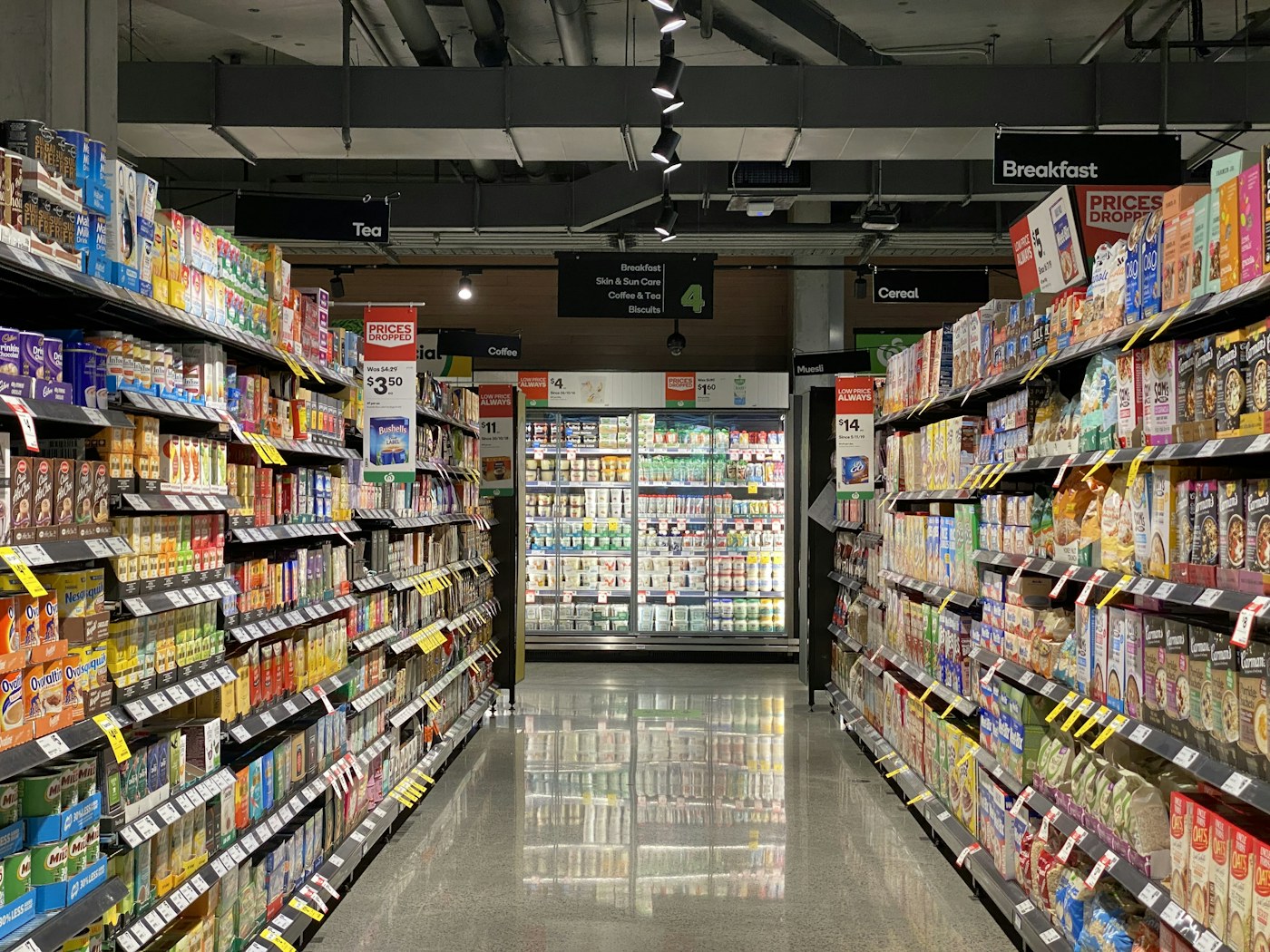
Consider how beverages, coffee, noodles and grocery ingredients fit the target channel. Supermarkets may prioritise shelf presentation and replenishment, while hospitality buyers may focus on usage and supply planning. Test assumptions with prospective buyers rather than treating an entire region as one uniform opportunity.
Match the product with the route to market
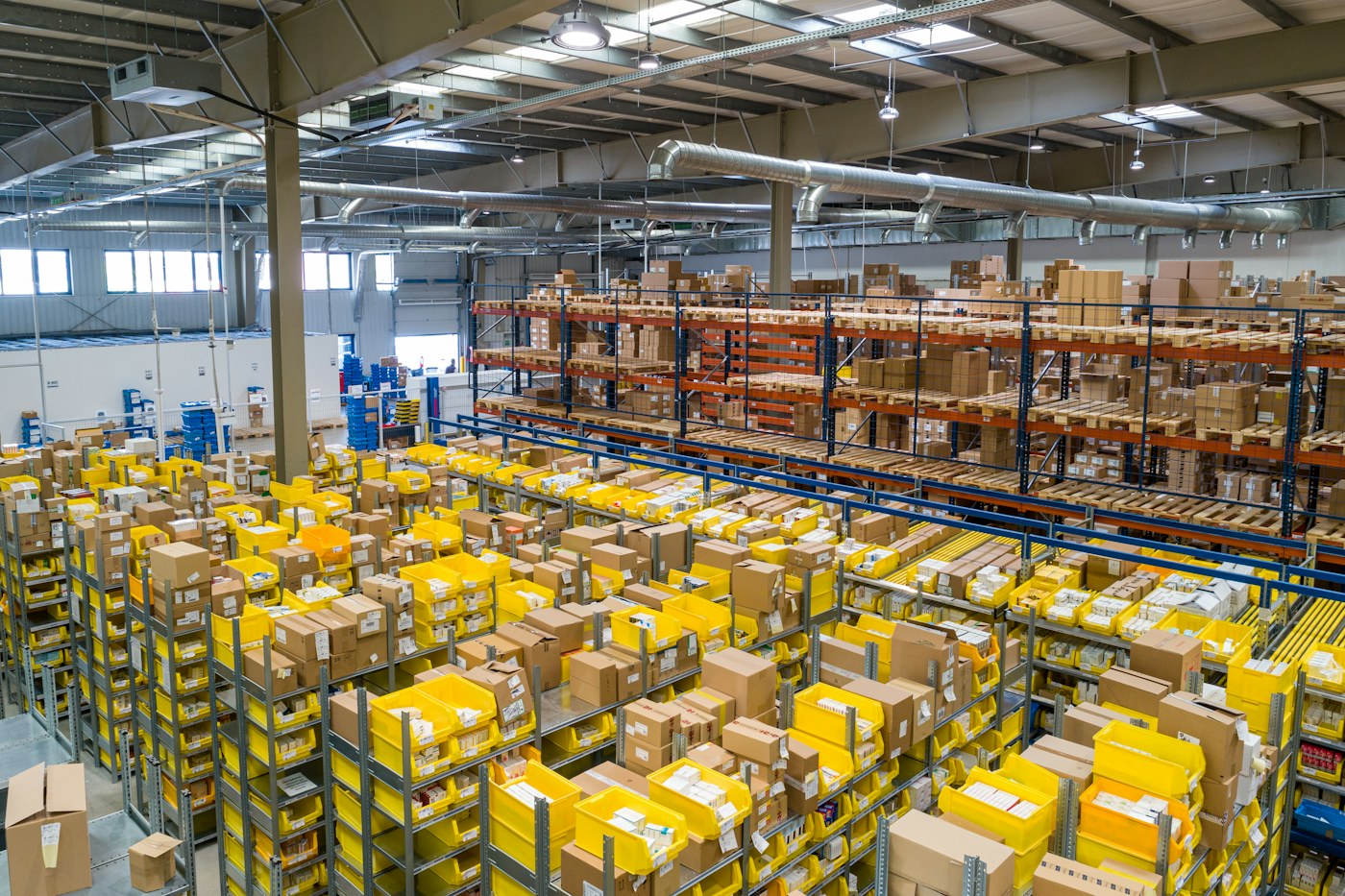
Review packing, order quantities and shipment arrangements alongside customer demand. Confirm product documentation and destination requirements with the relevant parties before making a purchasing commitment. A distribution plan should account for how products will be received, stored and offered to the next buyer.
Use an enquiry to explore the fit
An initial enquiry does not need to be a final container plan. Share the destination, customer type, products of interest and estimated requirements. Sheza’s food and beverage portfolio is open for wholesale, distribution and export enquiries, with availability, pricing and shipment configurations confirmed against each requirement.